

You wake up tired, sip coffee, and still feel foggy. By midday, energy drops again. By evening, the couch wins. If this sounds familiar, you’re not alone. Constant fatigue often sneaks in through daily habits that feel harmless. The tricky part is how normal they seem. Most people assume exhaustion means doing too much. Sometimes it means doing small things the wrong way, over and over. Being tired all the time isn’t always about age or stress. It’s usually a mix of routines quietly pulling energy away. These habits don’t announce themselves. They whisper. Once you spot them, the picture gets clearer. Let’s break them down without judgment or medical lectures.
Sleeping But Not Truly Resting

You may spend enough hours in bed. That doesn’t mean your body gets real rest. Late nights, light sleep, or broken patterns confuse your system. Your brain stays half-awake even when your eyes are closed. Morning arrives too soon. Quality matters more than the number on the clock. Light sleep feels like rest, but it rarely refuels you. Noise, light, and mental chatter all play a role. Checking your phone before bed keeps the mind alert. Sleeping at different times each night adds more confusion. The body prefers rhythm, not surprises. Calm nights lead to clearer mornings. Rest works best when it feels boring. Predictability helps more than fancy routines.
Sitting Too Much During the Day
Long hours sitting drain energy instead of saving it. Muscles slow down. Blood flow gets lazy. The brain follows. Fatigue sets in even without physical effort. Stillness tricks the body into low-power mode. Movement wakes it back up. You don’t need intense workouts. Short walks help. Stretching helps. Standing up every hour helps. These small moves reset circulation. Energy often shows up after motion, not before. Think of movement as a reset button. Press it often.
Running on Sugar and Quick Snacks

Grabbing sweet snacks feels helpful at first. Energy spikes fast. Then it crashes harder. Blood sugar swings drain stamina and mood. You end up chasing the next snack. This cycle feels productive for minutes, then punishing for hours. The body hates rollercoasters. Skipping proper meals adds fuel to the fire. Long gaps slow everything down. Protein and fiber help energy last longer. Eating balanced meals keeps the engine steady. Small changes here pay off quickly. You don’t need a strict plan. You need food that works longer than a coffee break.
Constant Low-Level Stress
Stress doesn’t always shout. Sometimes it hums all day. Worry, deadlines, and mental pressure add weight. That weight drains energy faster than physical work. The body stays tense without you noticing. Living in alert mode burns fuel nonstop. No wonder exhaustion follows. Even pleasant stress takes a toll.
Too Much Caffeine, Too Late

Caffeine feels like a solution. It often becomes part of the problem. Late cups interfere with nighttime rest. Poor sleep leads to more caffeine. The loop tightens. You may fall asleep, but the depth suffers. Shallow rest drains tomorrow’s energy. Hidden caffeine sneaks in through tea, soda, and chocolate. Timing matters more than cutting it out completely. Earlier use supports better nights. Better nights fix mornings. Energy borrowed late always demands repayment later. Feeling exhausted doesn’t mean something is broken. It often means habits need adjustment. Start with one change.
Let it settle. Add another later. Progress builds quietly. Your energy isn’t lost forever. It’s usually misplaced. Treat your body like a teammate, not a machine. Listen to patterns. Respect limits. With steady care, tired days fade into the background.

 Kapalbhati Pranayama, often known as the “skull-shining breath,” is a dynamic breathing practice that revitalizes the body and mind. This exercise emphasizes forceful exhalation followed by passive inhalation, resulting in a cyclic flow of energy. Kapalbhati causes your diaphragm to function aggressively. This vigorous movement cleanses the lungs and stimulates the abdominal organs.
 Integrating yoga asanas with pranayama can significantly enhance lung health. Each posture complements breathing techniques, creating a harmonious flow of energy. For instance, poses like Bhujangasana (Cobra Pose) expand the chest and improve oxygen intake. When paired with deep breathing exercises, you amplify your respiratory benefits.

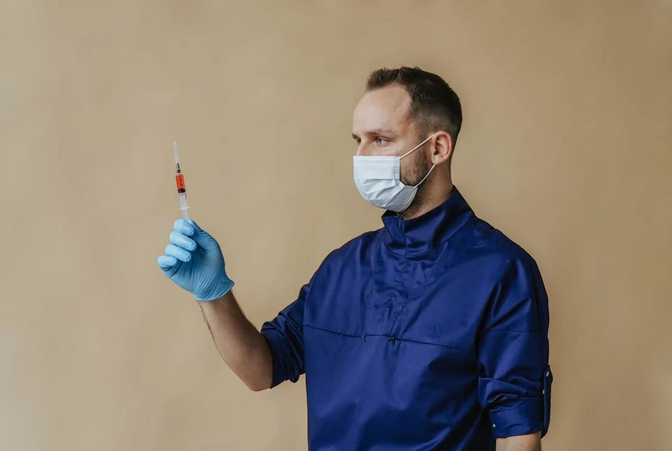



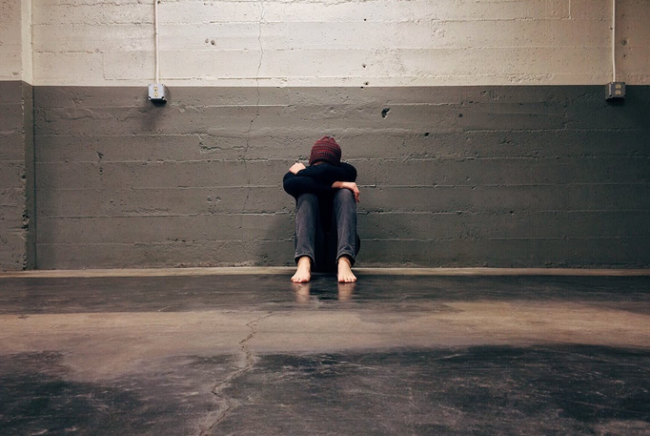
 Another tip to help you successfully overcome depression is to practice meditation and mindfulness. Meditation and mindfulness can be practiced anywhere, anytime, and help bring clarity to your thoughts. It can also help reduce stress and anxiety, both of which are common symptoms of depression. If you are unsure of where to start, try downloading a meditation app or taking a yoga class. This is what you need to start. If you are just new to yoga, you can read some articles on yoga beginners. This way, you will have an idea of what to expect. You must stay consistent with practicing meditation and mindfulness if you want to see long-term effects.
 The last tip to help you successfully overcome depression is to prioritize self-care. Make sure to take time for yourself each day, even if it’s just for a few minutes. Focus on activities that bring you joy and relaxation, such as yoga, journaling, or spending time in nature. This will help you find balance and release any built-up stress or anxiety.

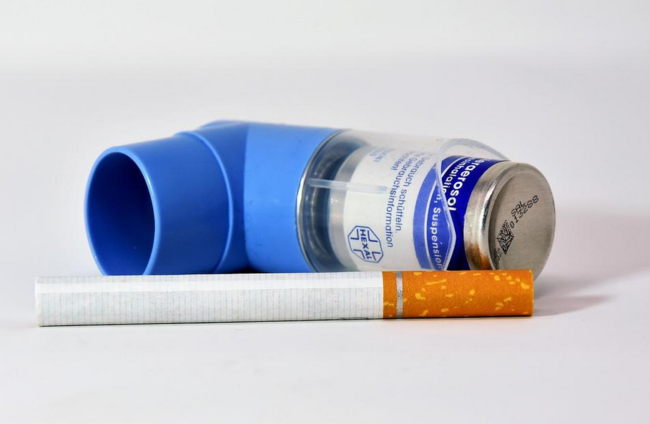
 The first cause of breathing problems that we will discuss is vaping. Vaping has become a popular, especially among young people. They are the number one buyer of THC cartridges. If you are planning to buy some, you can find the best delta8 carts. Many people don’t realize that vaping is extremely harmful to your lungs. The chemicals in the vape juice can cause all sorts of respiratory problems, from irritation to inflammation. In some cases, people have even died from vaping. If you are a smoker, it is important to quit. And if you don’t smoke, don’t start. Vaping is not worth the risk.
 The third cause of breathing problems is asthma. Asthma is a condition that affects the lungs and makes it difficult to breathe. Asthma can be caused by allergies, exercise, cold air, or even stress. If you have asthma, it is important to see your doctor and get treatment. Many options are available, and with the right treatment, you can live a normal, healthy life. Asthma has no cure, but it can be controlled. People with asthma take medication to prevent attacks and carry an inhaler with them in case of an attack.
 Living a sedentary lifestyle is one of the worst things you can do for your health, and it’s easy to do when you’re living in Thailand. With all the delicious food around, it’s tempting to just sit back and relax all day. However, if you want to stay healthy while living in Thailand, you need to make sure that you exercise regularly. There are plenty of gyms and fitness centers around the country, so find one that’s convenient for you and start working out.
 Drugs are one of the most destructive substances in the world, and sadly, they’re widely available in Thailand. If you want to stay healthy while living in Thailand, it’s best to avoid drugs altogether. People who have been exposed to drugs before go and visit
 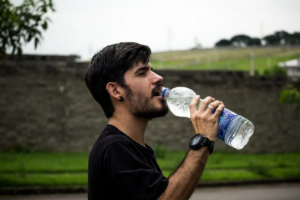 Thailand is a tropical country, which means that it’s hot and humid all year round. To stay healthy while living in Thailand, you need to make sure that you drink plenty of water to stay hydrated. Drink at least eight glasses of water a day, and avoid sugary drinks as much as possible.
 Stretching may not be the most fun part of working out, but it is essential for recovery. Stretching helps to lengthen your muscles and improve your range of motion. It also helps to prevent injuries. static stretches are best performed after your workout when your muscles are warm. The best stretching methods include Static Stretching, which is a great way to lengthen your muscles and improve your range of motion.
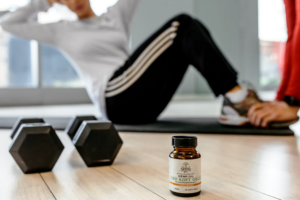 Last but not least, one of the best ways to recover from intense workouts is to take CBD oil. CBD oil helps to reduce inflammation, pain, and anxiety. It also helps to improve sleep quality and increase energy levels. Simply place a few drops under your tongue and hold for 60-90 seconds before swallowing to take CBD oil. You can also add it to your favorite beverage or food.
 The first step in finding a suitable rehab facility for you is determining if they provide the resources you need. There are many different rehab facilities, and each offers additional help. Some rehab facilities offer detoxification services, while others do not.
 The final factor to consider when choosing a rehab facility is the cost of treatment. The cost of treatment can vary significantly from one rehab center to another. It is essential to find a rehab facility that fits your budget. However, it would help if you did not let the cost of treatment be the deciding factor. The most important thing is receiving quality care from a reputable rehab center.