

Persistent tooth pain, sensitivity, or infection can make everyday activities like eating and speaking uncomfortable, highlighting the need for effective dental care. Root canal treatment is a trusted solution that targets the infected or damaged inner tissue of a tooth, eliminating pain while preserving the natural structure. Consulting a specialist at a clinic ensures the procedure is performed with precision, minimizing discomfort and promoting faster recovery. This treatment not only restores oral comfort but also prevents further complications that could affect surrounding teeth and gums. This article explores how root canal therapy helps patients regain pain-free oral health and long-lasting dental function.
Alleviating Pain and Sensitivity
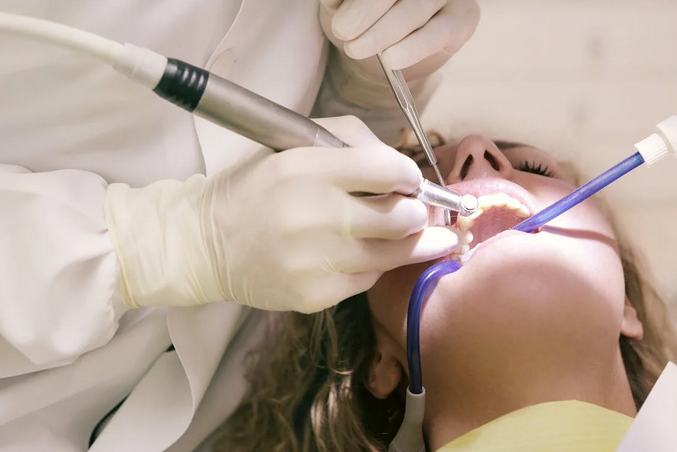
One of the most immediate benefits of root canal glendale is the relief of intense tooth pain and sensitivity. Infected or inflamed pulp can create sharp, persistent pain that worsens with pressure, temperature changes, or chewing. By removing the damaged pulp and cleaning the root canal system, the source of the discomfort is eliminated. Patients typically experience a significant reduction in pain shortly after the procedure, which allows them to resume normal oral function. Restoring comfort in this way also improves overall quality of life, reducing stress and discomfort associated with dental pain.
Preventing Further Infection and Complications
Root canal treatment is not only about relieving current discomfort but also about preventing future complications. Without intervention, an infected pulp can lead to abscess formation, swelling of surrounding tissues, and even systemic infection. The procedure removes harmful bacteria and damaged tissue while sealing the canals to prevent reinfection. This proactive approach protects surrounding teeth, gums, and bone structure, maintaining oral health and preventing the escalation of issues that could result in more extensive dental treatments, such as extractions or implants.
Preserving Natural Teeth and Functionality

Another important aspect of root canal treatment is its role in preserving natural teeth. Retaining a natural tooth maintains the alignment of surrounding teeth and supports proper chewing and speaking function. Extraction, by contrast, can lead to shifting of adjacent teeth, bite imbalances, and potential jawbone deterioration. By saving the tooth through root canal therapy, patients can maintain their oral structure and enjoy normal function without the complications that arise from missing teeth. Preservation of the natural tooth is key to long-term comfort and oral stability.
Supporting Long-Term Oral Health
Root canal treatment contributes to overall oral health by addressing the root cause of infection and promoting healing. After the procedure, restored teeth are often capped with crowns or other protective restorations, enhancing durability and strength. This not only protects the treated tooth but also prevents further pain or sensitivity. Regular follow-up and proper oral hygiene help maintain the benefits of the procedure, allowing patients to enjoy lasting comfort and function. Root canal therapy demonstrates how targeted dental care can resolve immediate issues while supporting sustainable oral health.
Root canal treatment plays a critical role in restoring oral comfort by addressing infections and damage within the tooth pulp. Through pain relief, infection control, and preservation of natural teeth, the procedure enables patients to regain normal oral function and maintain long-term dental health. By targeting the root cause of discomfort and preventing complications, root canal therapy provides immediate relief and sustainable oral well-being, underscoring its importance as a cornerstone of comprehensive dental care.